

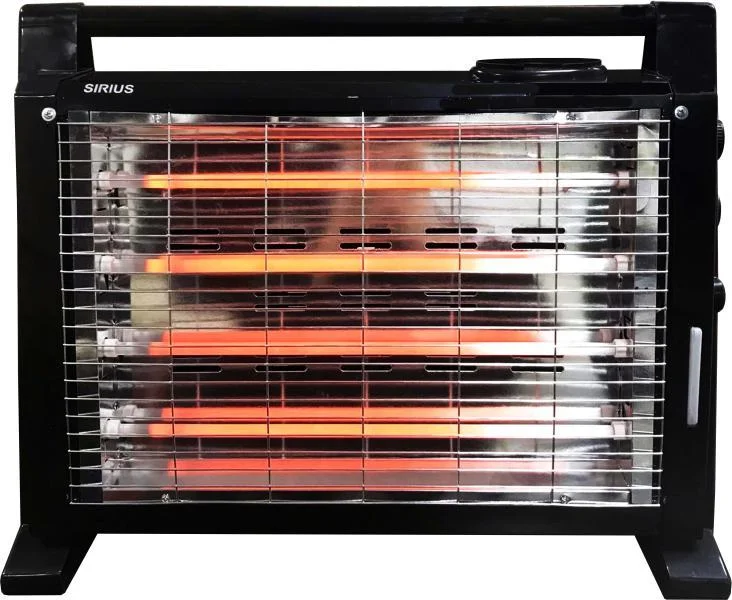
In today’s world, energy efficiency has become a top priority for many households. With rising energy costs and concerns about environmental impact, people are constantly searching for ways to reduce their energy consumption and save money on their bills. One solution that has gained popularity in recent years is the use of infrared heating panels. These innovative heating systems use infrared technology to heat objects directly, rather than heating the air like traditional heaters. This not only makes them more efficient, but also provides a range of other benefits.
The Basics of Infrared Heating Technology
Infrared heating technology utilises a distinctive method to warm spaces by emitting infrared radiation. This advanced form of heating diverges significantly from traditional methods that heat the air in a room. Instead, infrared radiation directly warms objects and individuals, absorbing the energy without necessitating the warming of the surrounding air. This direct approach to heating is not only innovative but also ensures a more efficient distribution of warmth.
The science behind infrared heating stems from the principle that objects, upon absorbing infrared radiation, release heat, thereby creating comfortable and evenly distributed warmth within the space. This method is akin to the natural warmth felt from the sun, albeit without the harmful ultraviolet rays, making it a benign and efficient heat source for indoor environments.
Central to the appeal of infrared-heating panels is their ability to provide immediate warmth. Unlike conventional heaters, which require a period to warm up and circulate air throughout a room, infrared panels offer an instant feeling of warmth, as the radiation directly impacts objects and people. This immediacy not only enhances comfort but also contributes to the system’s overall energy efficiency.
 Comparing Costs: Infrared Panels vs. Conventional Heating Systems
When assessing the financial implications of infrared-heating panels in comparison to conventional heating systems, a clear distinction emerges in terms of energy consumption and subsequent costs. Infrared technology, by virtue of its direct heating mechanism, necessitates less energy to achieve and maintain a comfortable room temperature. This reduction in energy usage is a pivotal factor in the lower operational costs associated with infrared-heating panels. Traditional heating systems, which operate by warming the air, often entail higher energy consumption due to the inefficiency of air as a heat carrier and the inevitable loss of warmth through draughts and ventilation.
The initial outlay for infrared panels may present a cost that is comparable to, or in some instances lower than, the installation of traditional systems. This cost-effectiveness is further amplified by the minimal maintenance requirements of infrared panels. Their design simplicity and lack of moving parts result in a longevity that surpasses that of many conventional heaters, reducing the need for repairs and replacements over time.
Furthermore, the efficiency of infrared panels is not solely limited to their lower energy consumption. The ability of these panels to deliver heat directly to objects and individuals means that comfort can be achieved more swiftly, eliminating the need to pre-heat a space for extended periods. This immediate effect not only contributes to the user’s comfort but also plays a significant role in curtailing energy expenditure.
The Impact of Infrared Heating on Home Energy Efficiency
Infrared panels heat objects and individuals directly, rather than heating the air. This means energy is not wasted on warming unoccupied spaces, resulting in more efficient use of power.
Reduced heat loss through ventilation
Traditional heating systems often lose a significant amount of heat through draughts and ventilation. Since infrared panels do not rely on circulating warm air, there is a marked decrease in heat loss, enhancing overall home energy efficiency.
Lower operational costs
The efficiency of infrared-heating panels translates into reduced energy consumption. This directly impacts the cost of running the heating system, with lower energy bills reflecting the high energy efficiency of these panels.
Immediate warmth without pre-heating
Infrared panels provide immediate warmth upon activation, eliminating the need for pre-heating. This not only contributes to user comfort but also means energy is not expended on bringing a room up to temperature, thereby conserving electricity.
Optimal heat distribution
The nature of infrared heating ensures an even distribution of warmth, with objects and surfaces in the room retaining heat and releasing it gradually. This efficient distribution method further contributes to the overall energy efficiency of the home.
Enhances the effectiveness of insulation
Infrared heating can make insulation more effective. As objects in the room absorb infrared rays and release heat, well-insulated homes retain this warmth for longer periods, reducing the need for continuous heating and thereby conserving energy.
Minimal maintenance requirements
The durability and low maintenance requirements of infrared panels mean there is less energy and resource expenditure on repairs and replacements over time, contributing to the sustainability and energy efficiency of the heating system.
Installation and Maintenance: Cost-Effective Strategies
The process of setting up and maintaining infrared-heating panels exemplifies simplicity and cost efficiency, distinguishing it markedly from the often complex and expensive installation demands of conventional heating systems. The installation of infrared panels does not require intricate procedures or significant structural alterations. They are designed for ease of mounting on either walls or ceilings, offering flexibility in placement and thereby minimising labour costs. This straightforward approach not only accelerates the installation process but also mitigates potential disruptions within the home environment.
Furthermore, the inherent durability and minimal maintenance requirements of infrared panels contribute substantially to their overall cost-effectiveness. Owing to their construction, which lacks moving parts, these heating units are less prone to wear and tear compared to their traditional counterparts, which can suffer from issues such as blockages, leaks, or mechanical failures. The operational longevity of infrared panels significantly exceeds that of many conventional heating devices, ensuring that households benefit from a sustained source of warmth without incurring frequent repair or replacement costs.
Another aspect underpinning the economic advantage of infrared-heating panels is their operational efficiency, which directly impacts maintenance frequency and costs. Since these panels are designed to directly heat objects and individuals, they maintain their efficiency over time with minimal degradation. This enduring efficiency not only ensures consistent heating performance but also reduces the likelihood of operational issues that could necessitate professional intervention.
Health Benefits and Safety Features of Heating Panels Infrared
Heating panels infrared offer notable health benefits and incorporate a range of safety features, setting them apart from traditional heating systems. One of the most significant health advantages is their ability to provide warmth without circulating air. This characteristic is particularly beneficial for individuals with respiratory conditions, as it reduces the movement of dust and allergens that can exacerbate health issues. Unlike conventional heating options that may dry out the air and irritate the respiratory system, infrared panels maintain a healthier indoor climate.
Additionally, the safety features of infrared-heating panels are meticulously designed to ensure user protection. These units operate at a surface temperature that is safe to touch, minimising burn risks often associated with conventional heaters. The risk of overheating is substantially reduced due to the built-in safety mechanisms that automatically regulate the panel’s temperature. Furthermore, the absence of moving parts or combustion in the operation of infrared panels eliminates the risk of fire hazards associated with more traditional forms of heating.
The direct heating method of infrared panels, which targets objects and people rather than air, contributes to a cleaner, more hygienic environment by preventing the circulation of potentially harmful particles. This approach not only promotes a healthier living space but also aligns with the needs of environmentally conscious individuals seeking sustainable and safe heating solutions. In light of these attributes, infrared-heating panels are increasingly recognised for their contribution to a healthier home environment, alongside their energy efficiency and cost-saving benefits.
Real-Life Savings: Case Studies and Testimonials
Numerous households have reported substantial reductions in their energy expenditures following the integration of infrared-heating panels into their homes. An array of case studies and testimonials has illuminated the financial advantages of adopting this modern heating technology. For instance, a family living in a moderately sized, well-insulated house documented a remarkable 40% decrease in their heating bills over the course of a single winter season. This significant saving was attributed to the superior energy efficiency of infrared panels compared to their previous conventional heating system.
Another case involved a small business owner who converted the heating system of their office space entirely too infrared panels. The decision was driven by the desire to reduce operational costs and improve the comfort of the work environment. Within a few months of installation, the business reported a 50% reduction in energy costs, alongside enhanced staff comfort and productivity. These real-life examples underscore the potential of infrared-heating panels to deliver not only financial savings but also to contribute to a more comfortable and health-conscious living or working environment.
Importantly, these testimonials highlight the diverse applicability of infrared heating, demonstrating its effectiveness in both residential and commercial settings. The shift towards this innovative heating solution represents a savvy investment for homeowners and business owners alike, offering a blend of economic and environmental benefits that align with the growing emphasis on sustainable living practices.
Making the Switch: Steps to Transition to Infrared Heating
Evaluate your current heating system’s performance and energy consumption to understand the potential benefits of switching to infrared heating. Research different models and brands of infrared-heating panels to find ones that suit your specific needs, considering factors such as size, wattage, and design.
- Contact professionals or companies specialising in infrared heating systems for an assessment of your home or office space. They can provide advice on the optimal number and placement of panels.
- Obtain quotes from multiple suppliers and installers to ensure competitive pricing and quality service for the installation of infrared panels.
- Plan the layout of the infrared panels in each room, taking into account factors such as room size, ceiling height, and areas that require more warmth.
- Arrange for the removal or decommissioning of your current heating system, if necessary, ensuring that this process is handled safely and in accordance with local regulations.
- Schedule the installation of the infrared panels. This can often be completed relatively quickly due to the straightforward nature of the installation process.
- Once installed, test the infrared-heating panels to confirm their correct operation and make any necessary adjustments to their positioning or settings.
- Familiarise yourself with the operation and maintenance of the infrared-heating panels to maximise their efficiency and lifespan. This includes understanding the control system, which may offer programmable settings for optimal energy use.
- Consider integrating smart home technology if available, allowing for remote control and scheduling of the heating system for even greater efficiency and convenience.
By following these steps, homeowners and business owners can successfully transition to an infrared heating system, enjoying the benefits of improved energy efficiency and reduced heating costs.
Future Trends in Home Heating and Energy Savings
The trajectory of home heating technology is poised towards enhancing energy efficiency, with infrared-heating panels at the forefront of this evolution. The burgeoning demand for these panels signals a shift in consumer preference towards solutions that offer both environmental benefits and cost savings. Innovations in infrared technology continue to refine the efficiency and performance of these panels, making them increasingly attractive to eco-conscious consumers.
Moreover, the integration of smart home technologies with infrared heating systems is expected to advance, offering homeowners unprecedented control over their heating preferences. This amalgamation of infrared heating and smart technology allows for a more personalised heating experience, potentially leading to even greater energy savings.
As the landscape of home heating progresses, the focus on reducing carbon footprints while maintaining comfortable living environments is likely to influence future developments in the sector. The emergence of more advanced, energy-efficient heating solutions, such as the next generation of infrared panels, is anticipated, further solidifying the role of this technology in shaping the future of home heating and energy conservation.
Conclusion
In wrapping up the discussion on the advantages and efficacy of infrared heating panels, it’s clear that these innovative systems offer a compelling alternative to traditional heating methods. Their adoption is underscored by the dual benefits of energy efficiency and cost savings, alongside the enhancement of living environments through healthier and safer heating solutions. The evidence, supported by case studies and testimonials, strongly advocates for the switch to infrared heating as a financially prudent and environmentally responsible choice.
FAQs
How do infrared heating panels differ from conventional radiators?
Infrared heating panels operate by emitting infrared radiation, which directly warms objects and people in a room, as opposed to conventional radiators that heat the air. This direct method of heating is more energy-efficient, as it minimises heat loss through air circulation and ventilation, ensuring that warmth is retained more effectively within the space.
Can infrared panels heat an entire home effectively?
Yes, infrared panels can be utilised to heat an entire home efficiently. The key to achieving optimal warmth throughout the home lies in the strategic placement of panels and selecting the appropriate size for each room, based on its dimensions and insulation quality. Proper assessment and planning ensure that these panels can provide comfortable, evenly distributed warmth in various home settings.
Are infrared-heating panels expensive to run?
Contrary to what might be assumed, infrared-heating panels are not expensive to run. Their energy efficiency translates into lower operational costs since they require less energy to produce the same level of warmth as conventional heating systems. Over time, the reduction in energy consumption can lead to significant savings on electricity bills.
Is installation of infrared panels complex and time-consuming?
The installation process for infrared-heating panels is notably straightforward and does not typically require extensive or time-consuming procedures. These panels can be easily mounted on walls or ceilings, offering flexibility in installation locations. The simplicity of their design and the absence of the need for complex pipework or structural alterations significantly reduce installation times and costs.
| Other Good Articles to Read |
| Niche Blogs Connect |
| Blogs 97 |
| Blog Stitution |
| Blogs Unplugged |
| Blogs Cotch Rouge |
| Blog Signatr |
| Blog Sintonias |
| Blog Zilla |
| Consumer Forums |
| Finance Forums |
| G Blogs |
| Too Blog |
| Related Business Listings |
| Contact Directory |
| Local Business Profiles |

