

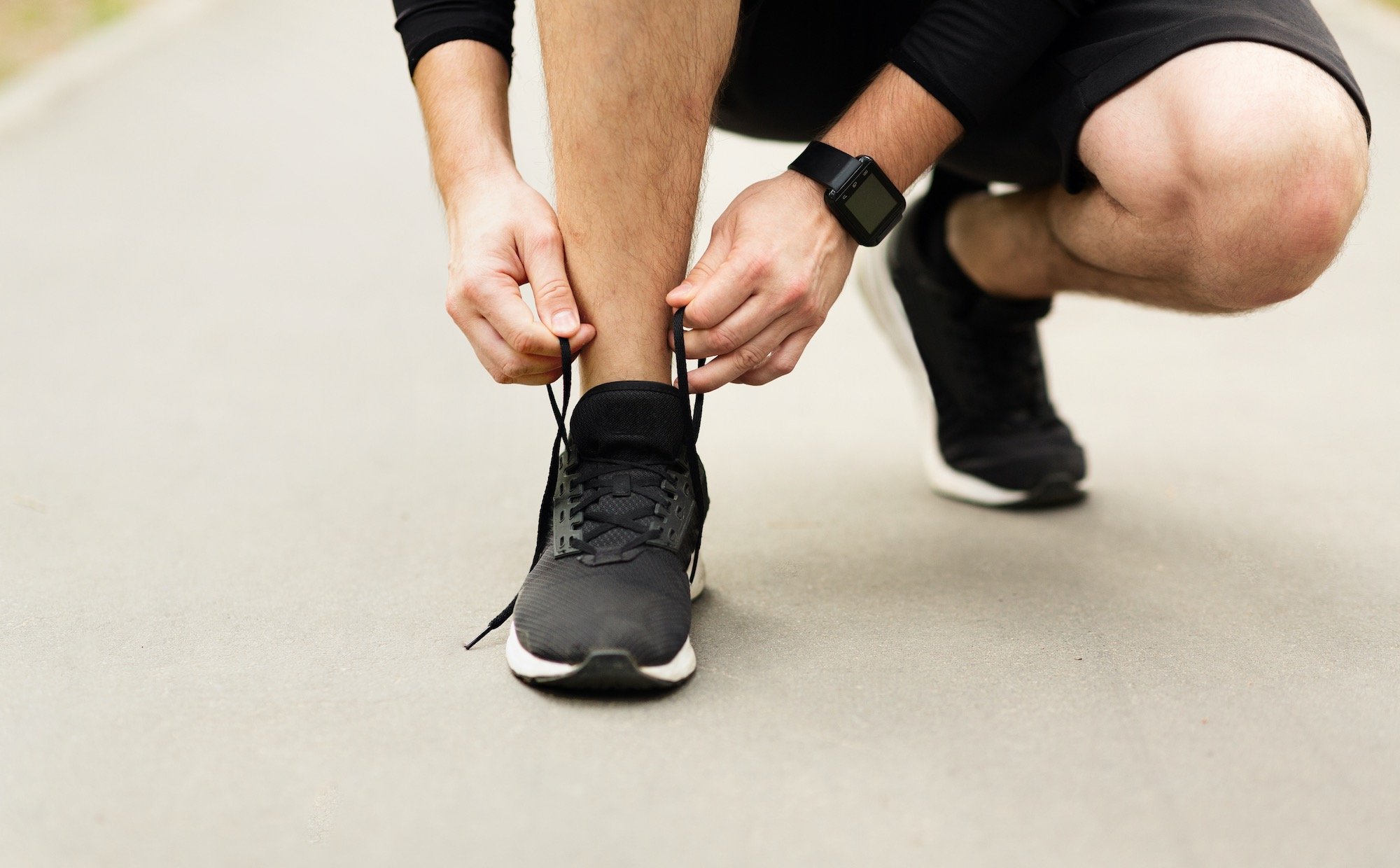
Finding the best shoes to wear can be difficult if you suffer from plantar fasciitis. Plantar fasciitis is a common condition that causes heel pain and can cause discomfort throughout the foot and leg. Fortunately, there are certain features that you can look for in shoes to help relieve pain and discomfort associated with plantar fasciitis. This blog post will discuss the six essential elements to look for in the best shoes for plantar fasciitis.
Consider How Easy The Best Shoes For Plantar Fasciitis Are To Put On.
One of the essential features to look for when shopping for shoes for plantar fasciitis is the ease of putting them on. Shoes that require a lot of effort to put on can be a huge source of discomfort and aggravation, especially if you suffer from plantar fasciitis. Look for shoes designed with laces or straps that can be easily adjusted and allow you to slip your foot in without pulling, tugging, or forcing your foot into the shoe. There should also be plenty of room in the toe box so that your toes can spread out without being cramped. Additionally, shoes with easy-to-use closures, such as a zipper or Velcro, will save you time and frustration. The best shoes for plantar fasciitis should provide arch support: The arch support provided by the shoe can make all the difference when it comes to alleviating pain associated with plantar fasciitis. The ideal pair of shoes should have an anatomically correct design with cushioning to support the arches of your feet throughout the day. A bonus would be a removable footbed which provides extra support and customizability depending on your specific needs.
Look For Arch Support In These Shoes.
For those suffering from plantar fasciitis, arch support is crucial. It helps to reduce pressure on the arch of your foot, which can lead to a lot of pain and discomfort. Look for shoes that have good arch support, or look for insoles that provide extra arch support. When choosing a shoe, look for a moulded midsole or shank that provides enough cushioning and arch support. Getting a shoe with enough arch support ensures you don’t experience too much pain while walking or running. Look for shoes with an EVA midsole or an EVA insole, as this will provide more cushioning and arch support. Also, look for shoes with shock absorption technology, such as air cushioning, as this will help absorb each step’s impact and reduce the risk of injury or pain.
Think About Cushioning.
When choosing the shoes for plantar fasciitis, cushioning is an essential factor to consider. Shoes with enough cushioning can help relieve the pressure on the bottom of your feet and provide comfort while walking or standing. Look for shoes that provide sufficient cushioning without sacrificing stability. Make sure the shoe has a flexible midsole material that absorbs shock and provides cushioning as you walk. Additionally, look for shoes with extra padding around the heel area for extra support and cushioning. It will help minimize the impact on your feet and reduce the pain from plantar fasciitis.
Shock Absorption
Shock absorption is one of the essential features of the best plantar fasciitis shoes. The design and materials used in the shoe should be able to absorb the shock of walking or running on hard surfaces and provide your feet with the necessary cushioning it needs to prevent further pain or damage. Look for a shoe with a midsole that provides cushioning and shock absorption, as this will help protect your heel from other pain and injury. Some shoes also have additional cushioning, such as gel inserts or foam layers, to provide even more protection from shock. These are especially helpful for those with more severe cases of plantar fasciitis. You may also want to look for arch support built into the shoe, which can help reduce strain on the plantar fascia. A good arch support system helps maintain proper alignment in the foot, which helps reduce the stress placed on the plantar fascia ligament. It’s also essential to ensure the shoe offers plenty of support around the heel area and other foot areas. It helps ensure that all areas of the foot are properly supported when weight is put on them, reducing stress on sensitive areas.
 Look At The Stability Of The Heel.
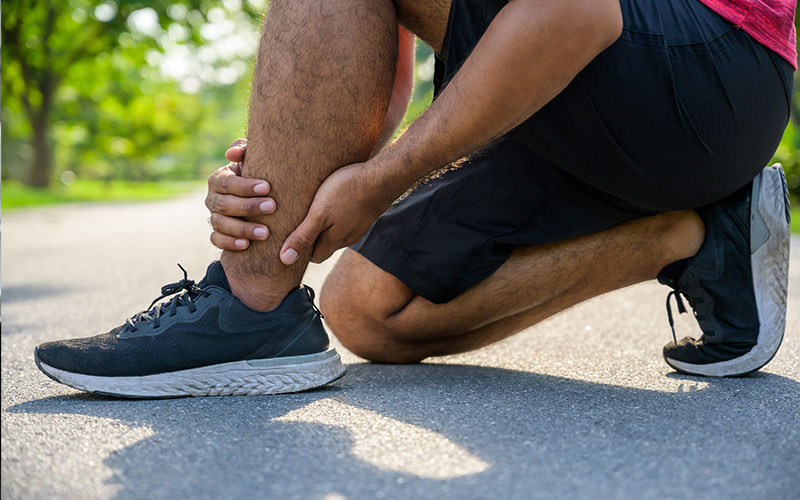
The heel is an essential component of any shoe for those with plantar fasciitis. The heel should be wide enough to provide adequate support without putting too much pressure on the ball of your foot. Look for shoes with a reinforced heel counter and a stable midsole to ensure your foot won’t slip around inside the shoe and aggravate your plantar fasciitis. In addition, the shoe’s sole should also be thick enough to absorb shock and protect your heel from being over-stressed. A good heel counter and a thick sole can help keep your feet in proper alignment and reduce the risk of further injury. Many shoes explicitly designed for plantar fasciitis feature extra padding in the heel area to provide additional cushioning. The materials used in shoe construction are also crucial for plantar fasciitis relief. Leather and mesh uppers are common choices as they are more flexible and supportive than synthetic materials. If possible, look for shoes made with breathable mesh linings, as they will keep your feet dry and reduce sweating, which can worsen your symptoms.
Look For Durability In The Best Shoes For Plantar Fasciitis.
When shopping for shoes to help with plantar fasciitis, you want to choose a pair that will last. Durability is key when it comes to shoes in this condition. Shoes with reinforced seams, high-quality stitching, and breathable material are essential in helping the shoe last longer. Look for a pair of shoes with durable and comfortable materials, such as leather or synthetic materials. Ensure the sole is thick and flexible to withstand regular wear and tear. Consider the shoe’s outsole, too, as it should be able to hold up against any terrain you may encounter while wearing them.
Regarding Durability, the best shoes for plantar fasciitis should offer superior support and cushion while standing up to regular use. Look for shoes made from quality materials like leather, canvas, suede or mesh that provide ample arch support. The shoe’s upper part should also have enough padding to provide comfort and flexibility without causing blisters or chafing. The shoe’s heel counter should fit snugly yet comfortably around your heel; if it’s too loose, it won’t alleviate your symptoms much. A shoe with adequate midsole cushioning and shock absorption can protect your feet from further injury. Look for a pair made with a lightweight foam midsole, as this type of midsole has been known to reduce strain on the foot. Lastly, try on different pairs of shoes to find one with adequate width, length and depth to accommodate your foot properly; this helps reduce strain on your foot, thus reducing your risk of further injury.
Conclusion
The best shoes should provide comfort and support for your feet. Comfort is essential to prevent any further pain or damage to the plantar fascia. Cushioning, arch support, shock absorption, stability, and Durability are all essential features that should be considered when selecting the shoes for plantar fasciitis. With the right footwear, you can alleviate pain and help protect yourself from future discomfort.
Related Websites
Articles on Blogshunt
Articles on Blogseu
Articles on Blogspeoples
Articles on Thebigblogtheory
Articles on Allcityforums

