


In today’s world, it’s hard to imagine a day without relying on some form of battery-powered device. From smartphones and laptops to electric cars and household appliances, batteries have become essential to our daily lives. And with the advancement of technology, the demand for more efficient and long-lasting batteries has only increased. This is where Lithium-Batteries come in. These powerful energy storage devices have been gaining traction in recent years, and their significance is only expected to grow in the coming times. In this blog post, we will explore the world of Lithium Batteries and how they unlock limitless potential for our future.
Lithium-Batteries – What They Are and How They Work?
Lithium-Batteries have become popular for energy storage due to their exceptional performance and efficiency. These rechargeable batteries rely on the movement of lithium ions between two electrodes – an anode and a cathode – to generate electrical energy. The anode is typically composed of graphite, while the cathode comprises lithium compounds.
Lithium ions move from the cathode to the anode during the charging process, creating a flow of electrons that can be harnessed as electricity. Conversely, when the battery is discharged, the lithium ions return to the cathode, producing a current that can power various devices.
One of the key advantages of Lithium-Batteries is their high energy density, allowing them to store more power in a smaller and lighter package compared to other types of batteries. Additionally, they have a longer lifespan and can be recharged hundreds of times without significant degradation.
The Role of Lithium-Batteries in Technological Advancement
Lithium-Batteries have been crucial in driving technological advancement in various industries. Here are five key roles that Lithium-Batteries have in shaping our future:
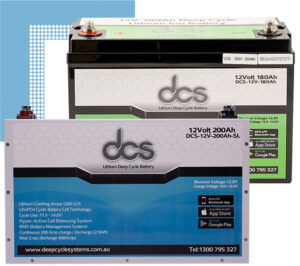 Powering Portable Devices
From smartphones to laptops, Lithium-Batteries have become the go-to power source for portable devices. Their high energy density and long lifespan make them ideal for devices that require a reliable and efficient power supply.
Revolutionizing Electric Vehicles (EVs)
The rise of electric vehicles depends on lithium-battery technology advancements. These batteries provide the necessary energy storage for EVs, allowing for longer driving ranges and shorter charging times. Lithium-Batteries are at the forefront of driving the revolution as we transition to greener transportation.
Enabling Renewable Energy Solutions
Renewable energy sources such as solar and wind power require efficient energy storage systems to be viable. Lithium-Batteries play a crucial role in storing excess energy generated by these sources, ensuring a consistent power supply even when the sun is not shining or the wind is not blowing.
Advancing Medical Innovation
Lithium-Batteries have revolutionized the field of medical devices by providing a reliable and long-lasting power source. From pacemakers to hearing aids, these batteries have improved the quality of life for millions of people and continue to enable innovative medical advancements.
Powering the Internet of Things (IoT)
The future of interconnected devices relies on efficient and versatile power sources. Lithium-Batteries are well-suited to power the wide range of IoT devices that will soon become integral to our daily lives. Lithium-Batteries, from smart home appliances to wearable technology, will enable a more connected and efficient world.
Environmental Impact of Lithium-Batteries
As we embrace the numerous benefits of Lithium-Batteries, it is essential to consider their environmental impact. While these batteries have revolutionized the way we power our devices and have significantly reduced our carbon footprint, they are not without their environmental challenges.
The extraction and production of lithium, a key component of these batteries, can negatively affect the environment. Mining lithium can lead to habitat destruction, water pollution, and the displacement of local communities. Additionally, the disposal of Lithium-Batteries at the end of their lifespan can result in toxic materials leaching into the soil and water, posing a threat to ecosystems.
Investing in sustainable and responsible mining practices is crucial to mitigate these environmental concerns. Efforts are underway to develop greener and more efficient lithium extraction methods and improve the recycling and disposal of Lithium-Batteries. This includes implementing stricter regulations and investing in battery recycling infrastructure.
Lithium-Batteries and Renewable Energy
Lithium-Batteries are not just revolutionizing how we power our devices; they are also playing a crucial role in developing renewable energy solutions. Lithium-Batteries are emerging as a key enabler in this process as the world becomes more conscious of the need to transition to sustainable energy sources.
Renewable energy sources such as solar and wind power depend on consistent and reliable energy storage systems. This is where Lithium-Batteries come in. By storing excess energy generated by solar panels and wind turbines, Lithium-Batteries ensure that renewable energy can be accessed even when the sun is not shining or the wind is not blowing. This increases the efficiency and effectiveness of renewable energy systems and helps reduce our dependence on fossil fuels.
Furthermore, Lithium-Batteries pave the way for the widespread adoption of electric vehicles (EVs). As the transportation sector accounts for a significant portion of greenhouse gas emissions, the shift towards electric vehicles is crucial in mitigating the impact of climate change. Lithium-Batteries enable EVs to store and deliver energy efficiently, providing longer driving ranges and shorter charging times.
The Future of Lithium Battery
As technology advances, the future of Lithium-Batteries holds immense promise. We can expect even greater battery performance and efficiency improvements, leading to a range of exciting possibilities.
One area where Lithium-Batteries are set to make a significant impact is in the field of transportation. Lithium-Batteries are revolutionizing our commute with the rise of electric vehicles (EVs). As battery technology continues to evolve, we can anticipate longer driving ranges, faster charging times, and more widespread adoption of EVs, ultimately reducing our reliance on fossil fuels and contributing to a greener future.
Additionally, Lithium Battery is poised to transform medical innovation. The ability to power portable and implantable medical devices, such as pacemakers and hearing aids, has already improved the quality of life for millions of people. In the future, we can expect further advancements in battery technology, leading to even more innovative medical devices and improved patient care.
Lithium-Batteries for Transportation Revolution
Lithium-Batteries are revolutionizing our commute with the rise of electric vehicles (EVs). As battery technology continues to evolve, we can anticipate longer driving ranges, faster charging times, and more widespread adoption of EVs, ultimately reducing our reliance on fossil fuels and contributing to a greener future.
The improved energy density and efficiency of Lithium-Batteries have already paved the way for electric cars with longer driving ranges and shorter charging times. This means that EVs are becoming more practical for everyday use, allowing people to travel longer distances without worrying about running out of power.
In addition, the advancements in lithium-battery technology are driving down the costs of electric vehicles, making them more affordable and accessible to a wider range of consumers. As more people transition to electric vehicles, the demand for Lithium-Batteries will continue to grow, leading to further advancements in battery technology and driving the transportation revolution toward a more sustainable future.
Lithium-Batteries in Medical Innovation
Lithium-Batteries are not just revolutionizing how we power our devices; they are also playing a crucial role in medical innovation. These powerful energy storage devices have made it possible to develop portable and implantable medical devices that have improved the quality of life for millions of people.
Pacemakers, insulin pumps, and hearing aids are just a few examples of medical devices that rely on the reliable power supply provided by Lithium-Batteries. These batteries offer a long lifespan and can be easily recharged, making them an ideal choice for medical devices that need to operate continuously for extended periods.
In addition to their reliability, Lithium-Batteries also offer a high energy density, allowing for smaller and more compact medical devices. This is particularly important for devices that need to be implanted within the body, as smaller batteries minimize the procedure’s invasiveness and improve patient comfort.
Lithium-Batteries and the Internet of Things
The Internet of Things (IoT) revolution is on the horizon, and Lithium-Batteries are set to play a crucial role in powering the connected devices that will permeate our daily lives. With their ability to store and deliver energy efficiently, Lithium-Batteries are the ideal power source for the wide range of IoT devices that will soon be at our fingertips.
From smart home appliances that can be controlled remotely to wearable technology that tracks our health and fitness, these batteries will enable a more efficient and interconnected world.
Imagine a future where your refrigerator communicates with your grocery list, automatically ordering items that are running low. Or picture a world where your smart thermostat adjusts the temperature based on your daily routine, saving energy and money. With the power and versatility of Lithium-Batteries, these scenarios are plausible.
FAQ’s
FAQ 1: Are Lithium-Batteries safe to use?
Yes, Lithium-Batteries are generally safe to use. However, handling and storing them properly is important to avoid any potential hazards. These batteries have built-in safety mechanisms, such as protection circuits, to prevent overcharging and overheating. Using the correct charger and following the manufacturer’s instructions is crucial to ensure safe usage.
FAQ 2: How long do Lithium-Batteries last?
Lithium-Batteries have a longer lifespan compared to other types of batteries. They can last for several years, depending on factors such as usage and charging habits. These batteries can typically be recharged hundreds of times before significant degradation occurs.
FAQ 3: Can Lithium-Batteries be recycled?
Yes, Lithium-Batteries can and should be recycled. They contain valuable materials that can be recovered and reused. Recycling helps reduce the environmental impact of battery disposal and promotes the sustainable use of resources. Many countries and regions have established battery recycling programs, and it is important to dispose of Lithium-Batteries at designated recycling centers.
FAQ 4: Is Lithium Battery expensive?
Lithium Battery may has a higher upfront cost than other types of batteries. However, their long lifespan and superior performance make them a cost-effective choice in the long run. As technology advances, the cost of Lithium-Batteries is expected to decrease, making them more affordable and accessible.
Conclusion
Lithium-Batteries have become a game-changer in a world increasingly reliant on battery-powered devices. These powerful energy storage devices have revolutionized how we power our devices and opened up endless possibilities for the future. Lithium-Batteries have been crucial in driving technological advancements and reducing our carbon footprint. Why, from electric vehicles and renewable energy systems to medical devices and the Internet of Things, environmental concerns are associated with Lithium Batteries; efforts are underway to develop sustainable mining practices and improve battery recycling.
| Other Good Articles to Read |
| Niche Blogs Connect |
| Blogs 97 |
| Blog Stitution |
| Blogs Unplugged |
| Blogs Cotch Rouge |
| Blog Signatr |
| Blog Sintonias |
| Blog Zilla |
| Consumer Forums |
| Finance Forums |
| G Blogs |
| Too Blog |

