


Heating and ventilation are key to creating a comfortable and healthy indoor environment. Proper heating and ventilation systems help regulate your home’s temperature, improve air quality, and reduce moisture buildup. It helps reduce common issues like mould and mildew, which thrive in moist conditions, boosting the overall health of your living environment. Efficient systems can also lead to significant energy savings, further increasing your home’s comfort and sustainability. Additionally, updated heating and ventilation can boost the value of your property, making it an investment that not only ensures a pleasant living atmosphere but also adds monetary value.
Enhancing Indoor Comfort with HRV System
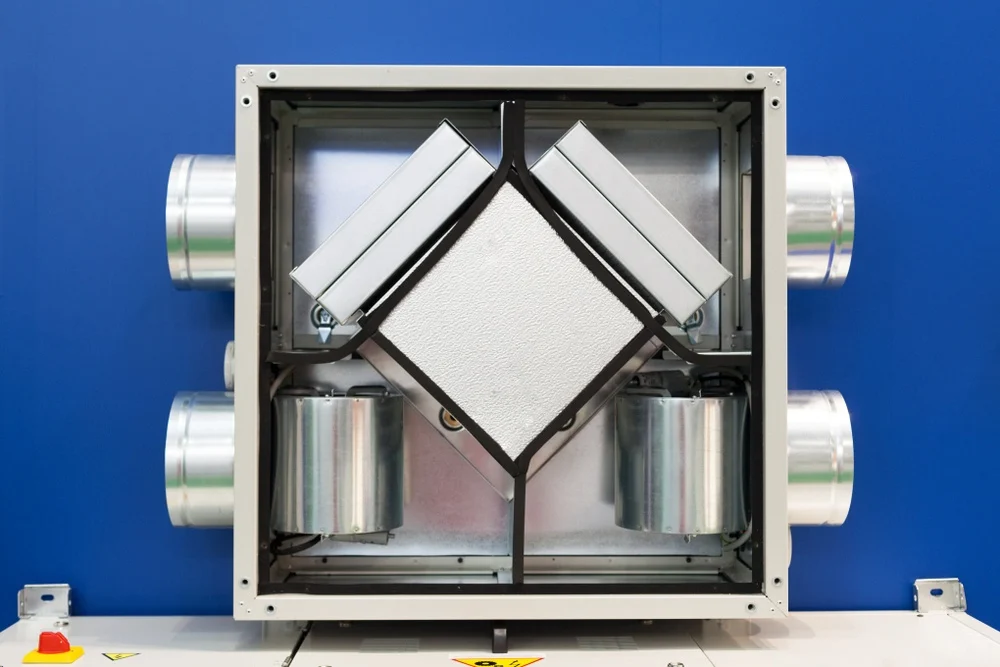
An HRV, standing for Heat Recovery Ventilation, is a marvel of modern engineering designed to maintain a comfortable ambience within your home. The innovative HRV system operates by exchanging the air inside your home with fresh air from outside. During this exchange process, the HRV captures the heat from the expelled air and transfers it to the incoming air, ensuring that warmth is not wasted but reused to maintain a stable indoor temperature.
This method is particularly effective in keeping your living space at a consistent comfort level without the drastic temperature fluctuations that can occur with traditional heating methods. The genius of the HRV lies in its dual function; it not only refreshes the air within your home but also retains the heat during cooler months, making it an excellent choice for energy-conscious homeowners. In warmer seasons, the same system can help remove excess heat from the inside, ensuring your home stays cool and comfortable.
This air exchange and temperature regulation balance contribute significantly to creating a more pleasant living environment. Additionally, the RV system’s ability to filter incoming air considerably reduces pollutants, allergens, and dust, enhancing indoor air quality. This system benefits individuals with allergies or respiratory issues, ensuring a continuous clean air supply.
Ventilation: A Key to Healthier Indoor Air
Ventilation plays a crucial role in maintaining healthier indoor air quality. Here’s why:
- Removal of Indoor Pollutants: Proper ventilation helps to remove indoor pollutants such as volatile organic compounds (VOCs), allergens, and other airborne contaminants. By exchanging stale indoor air with fresh outdoor air, ventilation dilutes and removes these harmful substances, improving air quality.
- Moisture Control: Effective ventilation helps to control indoor humidity levels by expelling moisture-laden air. High humidity can lead to mould and mildew growth, compromising indoor air quality and posing health risks such as respiratory issues and allergies. Ventilation helps to prevent moisture buildup, promoting a drier and healthier indoor environment.
- Reduction of Odours: Ventilation helps to mitigate unpleasant odours by expelling them from indoor spaces and replacing them with fresh outdoor air. Whether it’s cooking smells, pet odours, or other sources of indoor odours, proper ventilation can help maintain a more pleasant and inviting indoor atmosphere.
- Prevention of Stagnant Air: Inadequate ventilation can result in stagnant air, where indoor pollutants accumulate and linger. It can lead to discomfort, headaches, and other health issues associated with poor indoor air quality. Proper ventilation promotes air circulation, preventing stagnation and maintaining a fresh and breathable indoor environment.
HRV Heating System Saving Money While Staying Warm
Incorporating an HRV heating system represents a savvy financial decision for homeowners looking to cut costs without sacrificing comfort. By ingeniously reusing the heat from exhaust air, these systems significantly reduce the energy needed to warm your home. This efficiency stems from its ability to capture the warmth from outgoing stale air and transfer it to the fresh, incoming air. The result is a home that stays warm with considerably less energy consumption, leading to substantial savings on heating bills.
Unlike traditional heating methods that can let valuable heat escape into the outside environment these systems ensure that nearly every ounce of thermal energy is put to good use. This makes your heating system more environmentally friendly by reducing your carbon footprint and lightening the load on your wallet. It’s an effective way to keep your home cozy and warm during the colder months while keeping energy costs to a minimum.
By leveraging HRV’s innovative technology, homeowners can enjoy a warm, inviting home atmosphere that is both cost-effective and energy-efficient. Additionally, HRV improves indoor air quality, making your home healthier and more comfortable, a welcome benefit, especially when many of us spend more time indoors.
Preventing Moisture and Mold Growth through Ventilation
Ventilation is critical in managing indoor humidity levels, a primary factor in preventing unwanted moisture and the subsequent growth of mould in your home. Effective ventilation strategies, such as installing exhaust fans in high-humidity areas like kitchens and bathrooms, work to expel moist air directly outside, bypassing the rest of the home entirely. This targeted removal of humid air prevents it from condensing on cooler surfaces within your dwelling, a common cause of mould proliferation.
Incorporating a whole-house ventilation system can provide a comprehensive solution to moisture control. This system systematically replaces damp indoor air with dry, fresh air from outside. This constant exchange aids in maintaining optimal humidity levels, thus discouraging mould spores from finding the moist environments they require to grow.
 The strategic placement of vents and the use of dehumidifiers in particularly damp areas, such as basements, further enhance the ability of your ventilation system to manage moisture effectively. By keeping indoor air dry and circulating, you not only thwart mould growth but also contribute to a healthier indoor environment by reducing potential allergens and irritants that can affect your family’s health.
Boosting Energy Efficiency with Air Recovery System
Air recovery systems, such as Heat Recovery Ventilators (HRVs) and Energy Recovery Ventilators (ERVs), are at the forefront of enhancing a home’s energy efficiency. These systems capitalize on the principle of heat exchange, adeptly managing the climate within your home while minimizing energy loss. By recuperating energy from exhaust air, they substantially decrease the demand for heating and cooling systems, reducing energy consumption.
The innovation behind recovery systems lies in their ability to recover the thermal energy from outgoing stale air and transfer it to the incoming fresh air. This process ensures that the air inside your home remains comfortable throughout the year, without excessive heating or cooling energy. The operation of these systems is a testament to how advanced technology can lead to more sustainable living practices by reducing our dependence on fossil fuels and lowering our carbon footprint.
Moreover, the implementation of a recovery system can profoundly impact utility bills. By enhancing a home’s thermal efficiency, homeowners can expect a significant decrease in their monthly energy expenses. This makes recovery systems not only an environmentally friendly option but also a cost-effective solution for long-term savings.
Ventilation Systems and Reducing Outdoor Noise Pollution
Ventilation systems are ingeniously designed to address more than just the air quality and temperature regulation within your home; they play a crucial role in creating a serene indoor environment by mitigating outdoor noise pollution. The strategic integration of sound-dampening technologies within these systems can significantly diminish the intrusion of external sounds, whether it’s the hustle and bustle of city traffic, noisy neighbours, or the hum of industrial activity nearby.
Advanced ventilation units come equipped with specialized insulation and noise-reduction features that act as barriers against noise, ensuring your home’s tranquillity remains undisturbed. It is particularly advantageous for homes in high-traffic areas or urban settings, where constant noise can disrupt the peace and comfort of your living spaces.
By adopting a ventilation system with soundproofing capabilities, you will not only benefit from a continuous supply of fresh air and optimal temperature control but also noticeably reduce noise levels. This dual functionality enhances the overall well-being of occupants by supporting a calm and restful atmosphere, essential for relaxation and concentration.
Heating Solutions for Every Space
Exploring the vast array of heating options available can significantly enhance the warmth and comfort of every nook in your abode, catering to modern homes’ diverse needs and layouts. Innovations in heating technology have led to the development of versatile systems designed to address specific challenges posed by different spaces. For example, ductless mini-split systems present a flexible and efficient heating solution for homes lacking traditional ductwork, making them ideal for older buildings or extensions where installing ducts is impractical.
On the other hand, radiant floor heating offers an evenly distributed warmth that rises from the ground up, providing a cozy feeling underfoot on cold days. This method is particularly appealing for bathrooms and kitchens, where tile floors can otherwise be unpleasantly cold. For those prioritizing eco-friendliness and sustainability, geothermal heat pumps represent a cutting-edge solution that leverages the earth’s stable temperature to heat and cool homes, delivering unparalleled energy efficiency over the long term.
The Benefits of Heat Recirculation System
Heat recirculation systems offer an ingenious solution for enhancing your home’s heating efficiency and comfort. These systems ensure that warmth is evenly spread throughout the residence by capturing and redistributing heat that would otherwise be lost or underutilized. It eliminates cold spots and optimises your heating system’s overall performance, leading to more consistent temperatures and improved occupant comfort.
One of the primary advantages of a recirculation system is its potential for significant energy savings. Making the most of the heat already produced reduces the need for your heating system to work harder and consume more energy. This efficiency reduces heating costs, contributing to a more economically and environmentally sustainable household.
Furthermore, recirculation systems can particularly benefit houses with uneven heating challenges. Rooms that are traditionally colder, such as those on lower floors or those with large windows, can achieve a more comfortable temperature without increasing the thermostat setting for the entire house. This targeted approach ensures a more uniform warmth and avoids the wastefulness of overheating other areas.
Conclusion
Investing in top-tier heating and ventilation systems transcends comfort, embedding itself as a cornerstone of a healthier, more sustainable home environment. These systems stand as a testament to the remarkable technological strides, aiming to harmonize indoor climate control with energy conservation and air quality enhancement. The financial outlay required for such sophisticated setups pales compared to the many advantages they provide, including lower utility bills, a reduced carbon footprint, and a notable uplift in property value.
FAQS
Q: What Sets Heating Apart From Ventilation in a Home’s Climate Control System?
A: Heating’s primary function is to increase the temperature indoors for comfort during cooler seasons, utilizing various methods such as furnaces, heat pumps, or radiators. Ventilation, on the other hand, exchanges indoor air with fresh outdoor air to reduce pollutants, moisture, and odours, enhancing the overall air quality within your home.
Q: Can The Investment In Advanced Ventilation Systems Be Justified In Terms Of Costs?
A: While the upfront cost of installing advanced ventilation systems might seem significant, the investment pays off through numerous benefits. These include reduced energy consumption, lower utility bills, and improved indoor air quality, which can lead to a healthier living environment. Additionally, such systems can increase your home’s value and appeal, proving cost-effective in the long run.
Q: What Maintenance Do Ventilation Systems Require To Operate Efficiently?
A: Ventilation systems should undergo annual inspections and servicing to maintain their efficiency and longevity. This regular maintenance helps identify and rectify potential issues before they escalate into major problems. Tasks typically include cleaning or replacing filters, checking system controls, and ensuring vents are clear and unobstructed. Adhering to a maintenance schedule can prevent unexpected breakdowns and ensure your system operates at peak efficiency year-round.
| Other Good Articles to Read |
| Blogs-Nation |
| Blogs-Peoples |
| Bryan Smith Blogs |
| intellect blogs |
| the fault in our blogs |
| blogs eu |
| oz forums |
| recruitment blogs |
| zet blogs |
| id blogs |
| Blog Studio legale |
| blogs map |
| Related Business Listings |
| Contact Directory |
| Local Business Profiles |

