

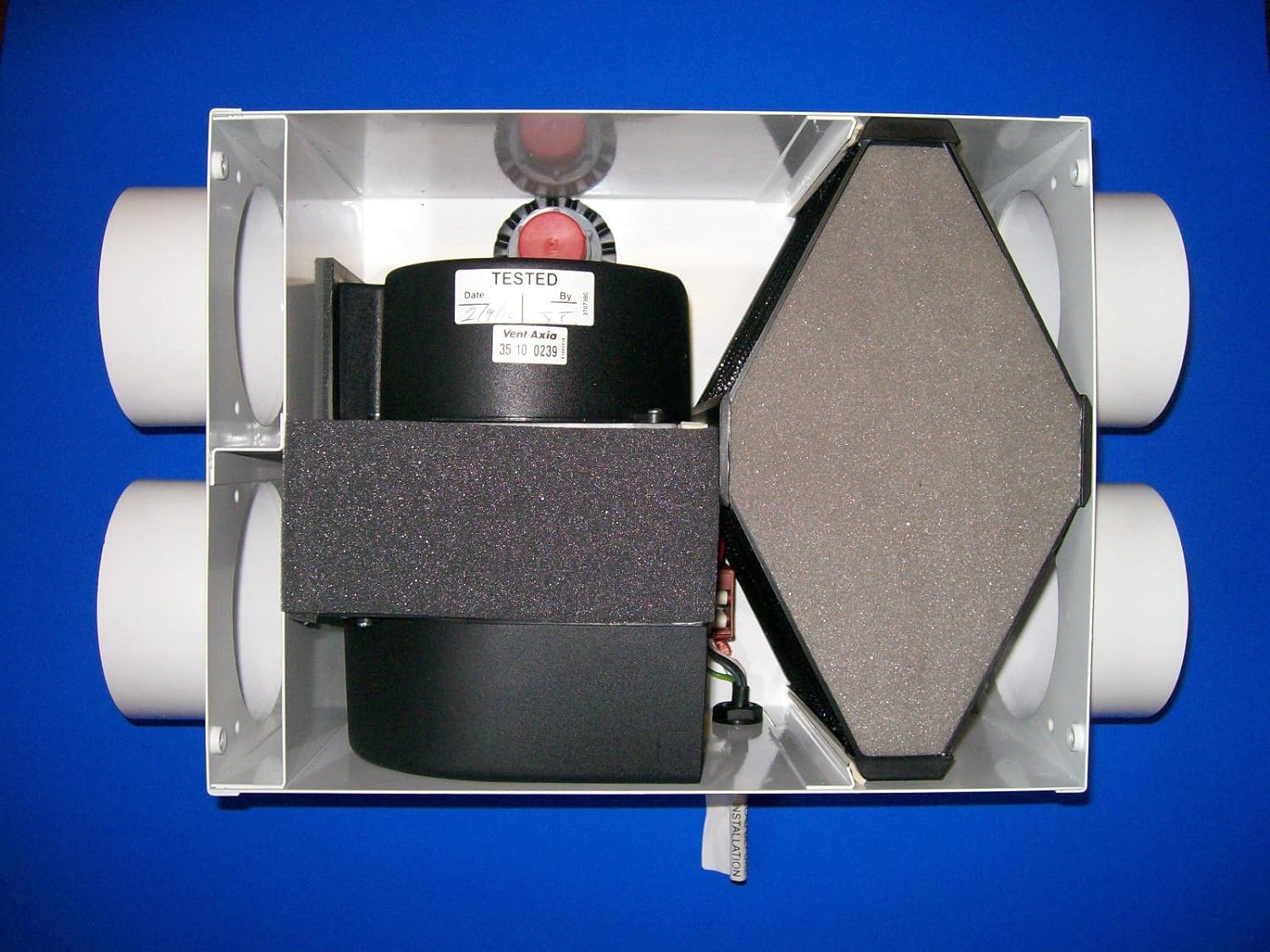
Amid a sweltering summer heatwave, there’s nothing more refreshing than walking into a cool, air-conditioned space. But behind the scenes, a complex system of heat exchange fan ventilation is hard at work, quietly circulating air and dissipating heat to keep your home or office comfortable. Yet, for many of us, the intricacies of heat exchange ventilation fan systems remain a mystery, leaving us to wonder how to optimize airflow for maximum efficiency. Whether you’re a homeowner seeking to reduce your energy bills, a facility manager looking to improve indoor air quality, or an engineer designing a new building, understanding the principles of heat exchange fan ventilation is crucial for creating a cool, comfortable, and cost-effective environment.
Understanding the Basics of Ventilation Fan Systems
At the heart of every effective fan ventilation systems lies a fundamental understanding of the principles that govern airflow. Often overlooked as a crucial component of a building’s infrastructure, ventilation fans play a vital role in maintaining a comfortable and healthy indoor environment. By harnessing the power of air circulation, these systems can dissipate heat, reduce moisture, and improve overall air quality. But to fully appreciate the benefits of heat exchange fan ventilation systems, it’s essential to grasp how they operate.
This begins with understanding the airflow cycle, where warm air is drawn out of space and replaced with cooler, fresher air from outside. As the fan’s blades spin, they create a pressure difference that drives this exchange, creating a continuous flow of air that helps to regulate temperature and humidity. By optimizing this process, heat exchange fan ventilation systems can provide a reliable and energy-efficient solution for maintaining a comfortable and healthy indoor environment, making them an essential component of any building’s ventilation strategy.
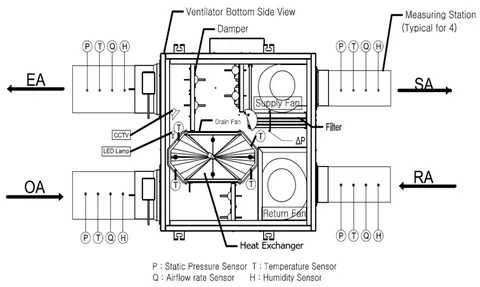 Designing an Efficient Heat Exchange Fan Ventilation System
Designing an efficient heat exchange fan ventilation system requires a deep understanding of the intricate dynamics of airflow and heat transfer. It’s a delicate balancing act, where every component, from the fan’s rotation speed to the ductwork’s layout, plays a crucial role in maximizing cooling efficiency.
A well-designed system must consider the specific demands of the space, considering factors such as room size, insulation, and occupant density. The heat exchange fan, the heart of the system, must be carefully selected to ensure optimal airflow and heat transfer. At the same time, the ductwork must be precisely routed to minimize resistance and turbulence.
Additionally, the system’s control mechanisms, such as sensors and thermostats, must be strategically integrated to ensure seamless operation and adaptability to changing environmental conditions. By carefully considering these variables, a heat exchange fan ventilation system can be designed to provide efficient, reliable, and cost-effective cooling, creating a comfortable and productive environment for occupants.
Optimizing Airflow: Tips and Best Practices
Optimizing airflow is crucial for efficient cooling when it comes to heat exchange fan ventilation systems. Proper airflow ensures that heat is effectively dissipated, reducing the risk of overheating and increasing the overall performance of your system. Here are some valuable tips and best practices to help you optimize airflow and get the most out of your heat exchange fan ventilation system.
Proper Fan Placement
The placement of your fans is critical to achieving optimal airflow. Ensure that your fans are positioned in a way that allows for unobstructed airflow, avoiding any obstacles that may hinder air circulation. Additionally, consider the airflow direction and position your fans accordingly to maximize cooling efficiency.
Filter Maintenance
Dirty filters can significantly reduce airflow, leading to decreased cooling performance. Regularly inspect and clean your filters to remain free from debris and dust. This simple maintenance task can have a significant impact on the overall efficiency of your system.
Ductwork Design and Installation
A well-designed and properly installed ductwork system is essential for optimal airflow. Ensure your ducts are properly sized, insulated, and sealed to prevent air leaks and minimize resistance. A well-designed ductwork system will help to reduce pressure drops and increase airflow, resulting in more efficient cooling.
Airflow Balancing
Airflow balancing is critical to ensure that airflow is evenly distributed throughout your system. Imbalanced airflow can lead to reduced cooling efficiency, increased energy consumption, and even damage to your equipment. Regularly inspect and adjust your airflow to ensure it is properly balanced and optimized.
Regular System Maintenance
Regular system maintenance is essential to ensure your heat exchange fan ventilation system operates at peak efficiency. Regularly inspect and maintain your system, including cleaning fans, replacing worn or damaged components, and performing routine system checks to identify and address any issues before they become major problems. Following these tips and best practices, you can optimize airflow and ensure that your heat exchange fan ventilation system operates efficiently and effectively.
Common Challenges and Solutions in Heat Exchanger Fan
Corrosion and Rust: The Silent Killers of Heat Exchanger Fans
Corrosion and rust are two of the most common issues affecting heat exchanger fan’ performance and lifespan. Moist air, humidity, and saltwater exposure can all contribute to the degradation of fan components, leading to reduced airflow and increased energy consumption. To combat this, it’s essential to use corrosion-resistant materials, such as stainless steel or coated aluminium, and to regularly inspect and maintain the fan system.
Dust and Debris: The Airflow Obstructionists
Dust and debris accumulation can significantly reduce the airflow and efficiency of heat exchanger fans. Regularly cleaning and maintaining the fan and surrounding areas are crucial to preventing dust buildup. Additionally, installing filters or screens can help to capture debris and prevent it from entering the fan system.
Vibration and Noise: The Unwanted Byproducts of Heat Exchanger Fans
Vibration and noise can be significant issues in heat exchanger fan systems, particularly in industrial or commercial settings. To mitigate these problems, it’s essential to properly balance and align the fan blades and to use vibration-dampening materials and noise-reducing technologies.
Inadequate Sizing: The Fan That’s Too Small (or Too Large) for the Job
Inadequate sizing of heat exchanger fans can lead to reduced airflow, increased energy consumption, and decreased system efficiency. It’s crucial to carefully calculate the required fan size based on the specific application and heat exchange requirements to avoid this.
Electrical and Controls Issues: The Hidden Dangers of Heat Exchanger Fan Systems
Electrical and control issues can be a significant source of problems in heat exchanger fan systems, leading to reduced performance, increased energy consumption, and even safety risks. To prevent these issues, it’s essential to ensure that the fan system is properly wired and installed and that all electrical components are regularly inspected and maintained.
Case Studies and Real-World Applications of Heat Recovery Fan
In the real world, heat recovery fan ventilation systems have been successfully implemented in various settings, resulting in significant energy savings and improved indoor air quality. For instance, a manufacturing facility in the Midwest reduced its energy consumption by 35% after installing a heat recovery fan system, saving them thousands of dollars on their energy bills and reducing their carbon footprint.
Another example is a hospital in California, where a heat recovery fan system was used to improve ventilation and reduce the risk of airborne infections, significantly decreasing patient infections and improving overall health outcomes. Additionally, a university in the UK installed a heat recovery fan system in its lecture halls, which led to a 25% reduction in energy consumption and a marked improvement in student comfort and productivity. These case studies demonstrate the tangible benefits of heat recovery fan ventilation systems and highlight the potential for widespread adoption in various industries and settings.
Benefits of passive ventilation with Heat Recovery
Passive ventilation with heat recovery is a game-changer in heat exchange fan ventilation systems. This innovative approach offers many benefits that can revolutionize how you cool your space.
Reduced Energy Consumption
By harnessing the power of natural convection, passive ventilation systems minimize the need for mechanical cooling, resulting in significant energy savings. This translates to lower electricity bills and a reduced carbon footprint, making it an environmentally friendly choice.
Improved Indoor Air Quality
Passive ventilation systems promote a constant flow of fresh air, eliminating the need for recirculated air and reducing the concentration of pollutants and allergens. This creates a healthier indoor environment for occupants who value clean air and a comfortable living space.
Increased Building Durability
By reducing the moisture content in the air, passive ventilation systems prevent the growth of mould and mildew, which can damage building materials and compromise structural integrity. This leads to a longer lifespan for your building and reduced maintenance costs.
Enhanced Comfort and Productivity
Passive ventilation systems create a comfortable and consistent indoor climate, free from hot spots and drafts. This leads to increased productivity, improved focus, and a better overall quality of life for occupants.
Cost-Effective Solution
Passive ventilation systems are often less expensive to install and maintain than traditional HVAC systems, making them a cost-effective solution for building owners and managers. You can enjoy significant savings without compromising comfort or efficiency with lower upfront costs and reduced energy bills.
Energy Efficiency & Reliability
Energy efficiency and reliability are crucial considerations regarding heat exchange fan ventilation systems. A well-designed system provides effective cooling reduces energy consumption, and minimizes downtime. Heat exchange fan ventilation systems can significantly lower energy costs by optimising airflow, making them an attractive solution for industries and facilities with high cooling demands. Moreover, a reliable system ensures that equipment and processes remain operational, even in extreme temperatures.
This is particularly important in applications such as data centres, laboratories, and manufacturing facilities, where even brief periods of downtime can have significant consequences. By choosing a heat exchange fan ventilation system that prioritizes energy efficiency and reliability, facility managers and operators can enjoy peace of mind, knowing that their cooling system is working efficiently and effectively to support their operations.
Conclusion
In conclusion, a well-designed heat exchange fan ventilation system is the key to efficient cooling in any setting. By understanding the principles of heat transfer, selecting the right fan type, and optimizing airflow, you can create a system that keeps your space cool, reduces energy costs, and promotes a healthier indoor environment. Whether you’re a homeowner, builder, or HVAC professional, the knowledge and tips outlined in this guide will empower you to design and implement a ventilation system that meets your needs and requirements. So, take the first step towards a cooler, more comfortable, and more energy-efficient space – optimize your airflow today!
Frequently Asked Questions:
Q: What is the ideal fan size for my space?
A: The ideal fan size depends on the size of your space, the number of occupants, and the desired airflow rate. Consult an HVAC professional or use online fan sizing calculators to determine the right size.
Q: How often should I clean my heat exchange fan?
A: It’s recommended to clean your heat exchange fan every 3-6 months to ensure optimal airflow and prevent dust buildup. Follow the manufacturer’s instructions for cleaning and maintenance.
Q: Can I use a heat exchange fan ventilation system in a humid climate?
A: Heat exchange fan ventilation systems can be used in humid climates. However, it’s essential to consider the humidity levels and choose a fan designed to handle high humidity environments. Additionally, consider incorporating a dehumidification system to ensure optimal performance.
| Other Good Articles to Read |
| Niche Blogs Connect |
| Blogs 97 |
| Blog Stitution |
| Blogs Unplugged |
| Blogs Cotch Rouge |
| Blog Signatr |
| Blog Sintonias |
| Blog Zilla |
| Consumer Forums |
| Finance Forums |
| G Blogs |
| Too Blog |
| Related Business Listings |
| Contact Directory |
| Local Business Profiles |

 or mechanical ventilation with heat recovery (MVHR).)