


As the world grapples with the challenges of climate change, rising energy costs, and deteriorating indoor air quality, building owners and homeowners are under increasing pressure to find innovative solutions that address these pressing concerns. One crucial aspect of a building’s infrastructure that often flies under the radar is its mechanical ventilation system. While it’s easy to overlook the importance of proper Mechanical Ventilation, a poorly designed system can lead to a perfect storm of energy waste, air pollution, and compromised occupant health. But what if you could have a comfortable, healthy indoor environment, reduced energy bills, and a smaller carbon footprint?
Introduction to Mechanical Ventilation Systems
As we navigate the complexities of modern living, it’s easy to overlook the unsung heroes of our daily comfort: ventilation systems. These behind-the-scenes workhorses labour tirelessly to provide a steady supply of fresh air, quietly removing stale air and pollutants from our homes and workplaces. But what happens when these systems become inefficient, wasting energy and driving our utility bills?
It’s time to shine a light on the often-overlooked world of mechanical ventilation systems and explore the innovative solutions that can help us breathe easy while saving big. In this blog post, we’ll delve into mechanical ventilation systems, exploring the benefits of energy-efficient designs and uncovering the secrets to unlocking significant cost savings without compromising indoor air quality.
The Importance of Energy Efficiency in Buildings
As the world grapples with the challenges of climate change, energy efficiency has become a critical consideration in building design and operation. Buildings account for a staggering 40% of global energy consumption, making them a significant contributor to greenhouse gas emissions. The importance of energy efficiency in buildings cannot be overstated, as it directly impacts both the environment and the bottom line.
By reducing energy consumption, building owners and managers can lower their energy bills, increase property values, and even enhance occupants’ overall comfort and health. Moreover, energy-efficient buildings are better for the planet and provide a competitive edge in the market, attracting tenants and buyers who prioritize sustainability. In mechanical ventilation systems, energy efficiency is crucial, as they can account for up to 30% of a building’s total energy consumption.
By optimizing the performance of these systems, building owners and managers can unlock significant energy savings, reduce their carbon footprint, and create a healthier, more sustainable indoor environment.
How Mechanical Ventilation Systems Affect Energy Consumption
The impact of mechanical ventilation systems on energy consumption is a critical factor to consider in building design and operation. Ventilation systems account for a significant portion of a building’s overall energy expenditure, with some estimates suggesting that they can consume up to 30% of a building’s total energy usage.
This is because mechanical ventilation systems require significant energy to power fans, motors, and other components that work together to circulate and treat the air. Moreover, traditional ventilation systems often rely on inefficient technologies, such as constant-speed fans and inefficient heat exchangers, which can further drive up energy costs.
However, by incorporating energy-efficient design principles and technologies, such as variable-speed fans and high-efficiency heat exchangers, building owners and operators can significantly reduce the energy consumption of their mechanical ventilation systems, leading to substantial cost savings and a reduced carbon footprint.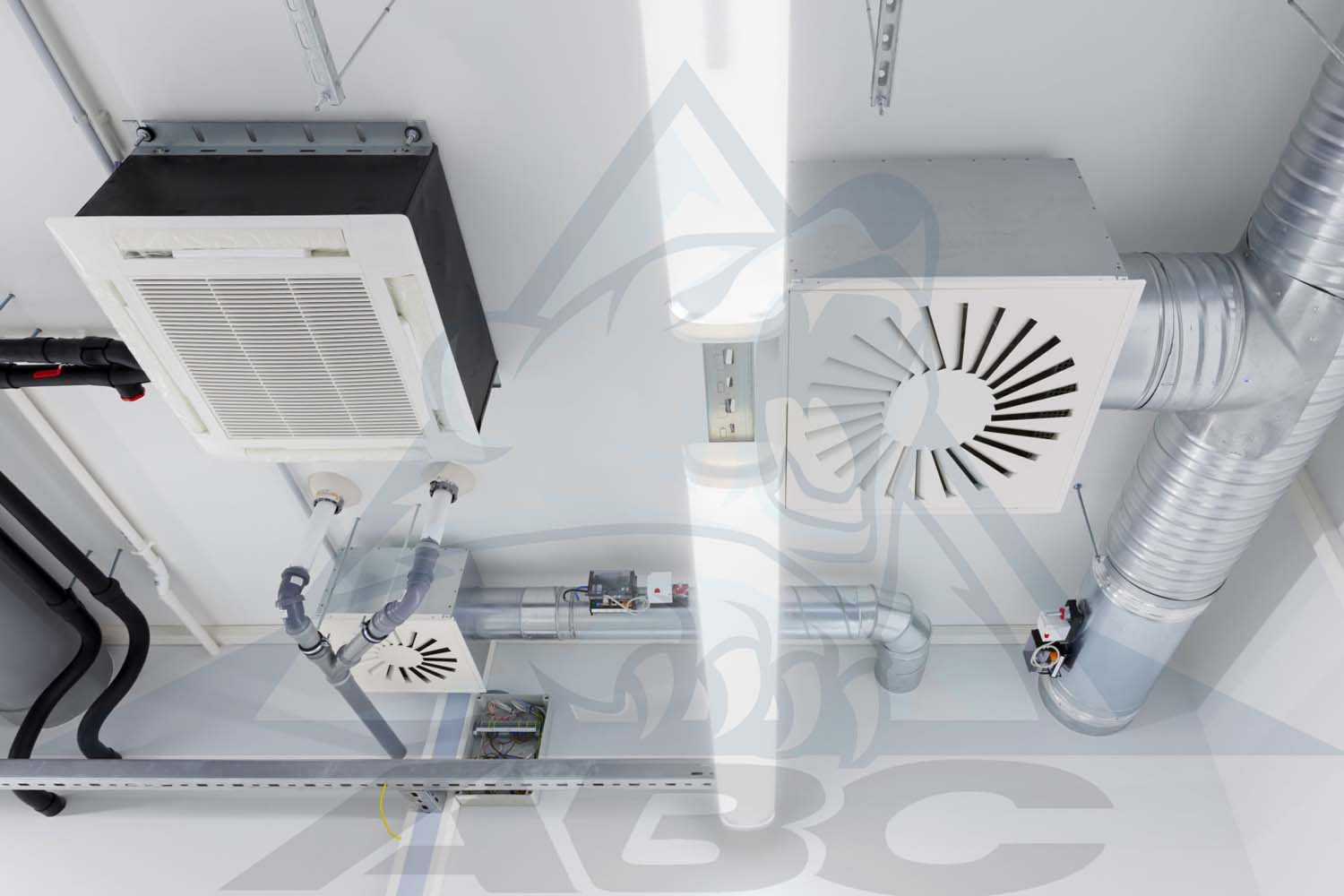
The Benefits of Energy-Efficient Mechanical Ventilation Systems
Improved Indoor Air Quality:
These systems provide a healthier and more comfortable indoor environment for occupants. By constantly removing stale air and introducing fresh air, they reduce the risk of airborne diseases and alleviate conditions such as allergies and asthma. This continuous supply of fresh air ensures that indoor spaces remain clean and breathable.
Enhanced Cognitive Function and Productivity:
Better air quality directly correlates with improved cognitive function and productivity. A consistent flow of fresh air can boost mental clarity and overall performance, creating a more efficient and productive indoor environment.
Advanced Filtration Systems:
Energy-efficient mechanical ventilation systems come equipped with advanced filtration technologies. These filters remove pollutants and odours from the air, enhancing the overall comfort and pleasantness of indoor spaces. Cleaner air means fewer pollutants and allergens, contributing to a healthier living or working environment.
Environmental Benefits:
By reducing energy consumption and greenhouse gas emissions, these systems help reduce the building’s environmental footprint. This aligns with global efforts to combat climate change and promote sustainability.
Economic Savings:
The initial investment in energy-efficient mechanical ventilation systems is offset by the long-term savings on energy bills. Over time, the reduction in energy costs can be substantial, making these systems a financially sound investment.
Key Components of Energy-Efficient Mechanical Ventilation Systems
Several key components are involved in designing and installing an energy-efficient Mechanical Ventilation system. These components work harmoniously to minimize energy consumption, reduce costs, and maximize indoor air quality.
First and foremost, a high-efficiency fan is essential. This is the heart of your mechanical ventilation system, responsible for circulating air throughout the building. Look for fans with high-efficiency motors and aerodynamically optimized designs to minimize energy waste.
Another crucial component is the air filter. A high-quality air filter not only removes pollutants and contaminants from the air but also helps to reduce the load on your fan, resulting in lower energy consumption. Be sure to choose a filter to capture even the smallest particles, ensuring the cleanest possible air for building occupants.
Heat recovery systems are also a vital component of energy-efficient mechanical ventilation systems. These systems capture the heat energy from exhaust air and transfer it to the fresh air supply, reducing the need for additional heating and cooling. This saves energy and reduces the strain on your HVAC system.
Designing For Energy Efficiency: Tips and Strategies
When designing a mechanical ventilation system, energy efficiency is often an afterthought. However, with rising energy costs and increasing environmental concerns, prioritising energy efficiency from the outset is more crucial than ever. Incorporating energy-efficient design principles into your mechanical ventilation system can significantly reduce energy consumption, lower your carbon footprint, and save on operating costs.
So, where do you start? One key strategy is to optimize system sizing. Oversized systems waste energy and increase the risk of moisture buildup, mould growth, and poor indoor air quality. By right-sizing your system, you can ensure it’s operating at peak efficiency, using only the energy needed to provide a comfortable and healthy indoor environment.
Another critical consideration is fan selection. High-efficiency fans with advanced motor technology can significantly reduce energy consumption while providing a quieter and more reliable operation. Additionally, incorporating variable frequency drives (VFDs) and demand-controlled ventilation can help optimize system performance and reduce energy waste.
Overcoming Common Challenges in Implementing Energy-Efficient Systems
Initial Investment:
One of the primary challenges in upgrading or installing energy-efficient mechanical ventilation systems is the initial investment. Although the long-term energy savings are substantial, the upfront costs can be a significant barrier for many building owners and facility managers. This financial obstacle requires careful consideration and planning to ensure the investment is justified by future savings.
Integration with Existing Infrastructure:
Integrating new systems with existing infrastructure can be complex and daunting. It requires meticulous planning and coordination to ensure the new system works seamlessly with the current setup. This process may involve retrofitting, which can add to the complexity and cost of the project.
Minimizing Disruptions:
Potential disruptions to daily operations during the installation process are another significant hurdle. Ensuring a seamless transition to the new system is crucial to avoid compromising the comfort and safety of building occupants. Planning the installation to minimize downtime and maintaining a safe environment for all is essential.
Technical Expertise:
A lack of technical expertise or resources to properly design, install, and maintain energy-efficient systems can lead to suboptimal performance and reduced energy savings. Ensuring that you have access to skilled professionals who can handle the complexities of these systems is vital for achieving the desired efficiency and savings.
The Future of Mechanical Ventilation Systems: Trends and Innovations
As we look to the future, the landscape of mechanical ventilation systems is poised to transform significantly. The industry is abuzz with innovations and trends that will enhance the energy efficiency of these systems and improve indoor air quality, comfort, and overall sustainability. Integrating artificial intelligence (AI) and Internet of Things (IoT) technology into mechanical ventilation systems is one of the most promising developments. This fusion will enable real-time monitoring, optimization, and automation of ventilation processes, leading to greater energy savings and reduced environmental impact.
Another trend gaining traction is the use of natural and hybrid ventilation systems, which combine the benefits of mechanical ventilation with the power of natural ventilation. These systems can reduce energy consumption by up to 50% while maintaining optimal indoor air quality. Additionally, the increasing adoption of heat recovery and energy storage technologies will further reduce the carbon footprint of mechanical ventilation systems.
The need for sustainable and efficient ventilation systems will only grow as the world becomes increasingly urbanised. The future of mechanical ventilation systems is bright, and architects, engineers, and building owners must stay ahead of the curve and capitalize on these emerging trends and innovations. By doing so, they can create healthier, more comfortable, and environmentally friendly buildings that benefit occupants and contribute to a more sustainable future.
Conclusion
As we conclude our journey into the world of energy-efficient mechanical ventilation systems, we hope you’re now equipped with the knowledge to breathe easy and save big. By implementing these innovative solutions, you’ll reduce your environmental footprint and reap the financial rewards of a more sustainable approach. Imagine the fresh air, the reduced energy bills, and the peace of mind that comes with knowing you’re doing your part for the planet. With the secrets of energy-efficient mechanical ventilation systems unlocked, the possibilities are endless. Take a deep breath, and start building a greener, more cost-effective future today!
FAQs
What is energy-efficient mechanical ventilation, and how does it work?
Energy-efficient mechanical ventilation systems, such as Heat Recovery Ventilators (HRVs) and Energy Recovery Ventilators (ERVs), work by exchanging stale indoor air with fresh outdoor air while minimizing energy loss. They recover heat (and sometimes moisture) from the outgoing air to pre-condition the incoming air, thereby reducing the energy required to heat or cool your home.
What are the benefits of using energy-efficient mechanical ventilation in my home?
The main benefits include improved indoor air quality, reduced energy consumption, and lower utility bills. These systems also help to control humidity levels, reduce mold growth, and maintain a consistent and comfortable indoor environment.
How can I ensure my mechanical ventilation system is energy efficient?
To ensure energy efficiency, choose a system with a high efficiency rating, such as an HRV or ERV with a high Sensible Recovery Efficiency (SRE) or Total Recovery Efficiency (TRE). Regular maintenance, such as cleaning filters and inspecting ductwork, also helps maintain efficiency. Additionally, ensure the system is properly sized and installed for your specific home needs.
| Other Good Articles to Read |
| Niche Blogs Connect |
| Blogs 97 |
| Blog Stitution |
| Blogs Unplugged |
| Blogs Cotch Rouge |
| Blog Signatr |
| Blog Sintonias |
| Blog Zilla |
| Consumer Forums |
| Finance Forums |
| G Blogs |
| Too Blog |
| Related Business Listings |
| Contact Directory |
| Local Business Profiles |

